
The first game a child can play on their own
Every instruction is spoken out loud and every button is a picture, so a two year old can open NoMiLudo, work out what to do and get going by themselves while you make the tea. Nineteen games grow with them from their second birthday to their seventh.
Four games are free from beginning to end, and NoMiLudo works with no internet connection at all.
Not out yet. NoMiLudo is planned for the end of 2026. Follow it to the finish →
They press a picture, and something happens
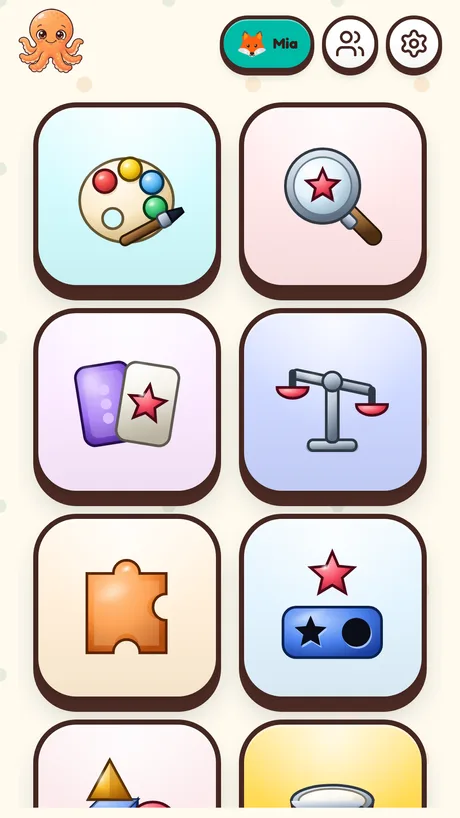
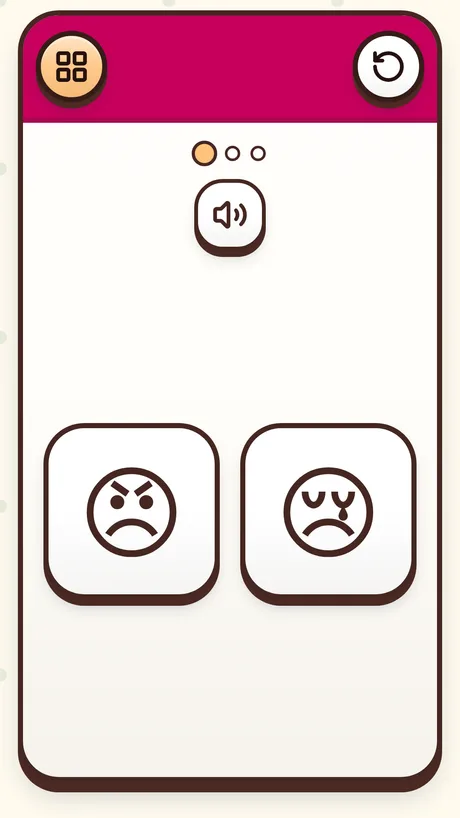
Your child lands on a screen of big picture cards with nothing on it to read. They press one, Nomi the octopus says what to do, and they are playing. Right, and Nomi says so out loud. Wrong, and the question comes again in the same friendly voice, for as long as it takes.
The targets are built for hands that size, and NoMiLudo tells the finger that is playing from the palm resting on the glass. A two year old holding a tablet the way two year olds hold tablets still gets the answer they meant.
A marble run, a circuit board, and a tune they can play
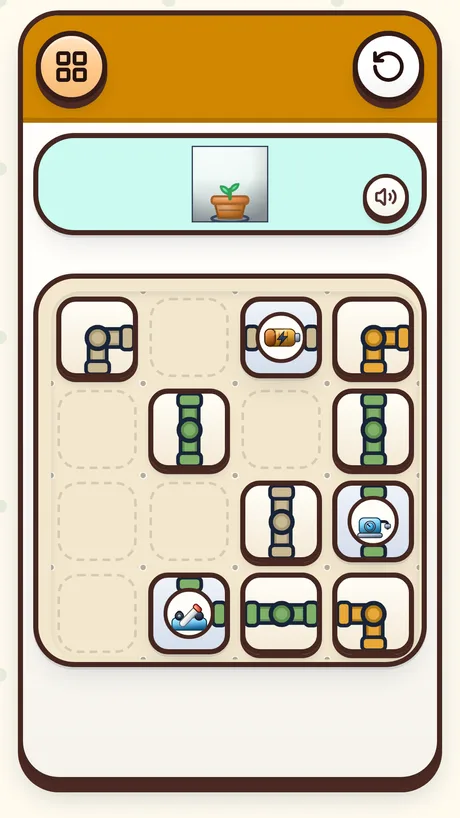
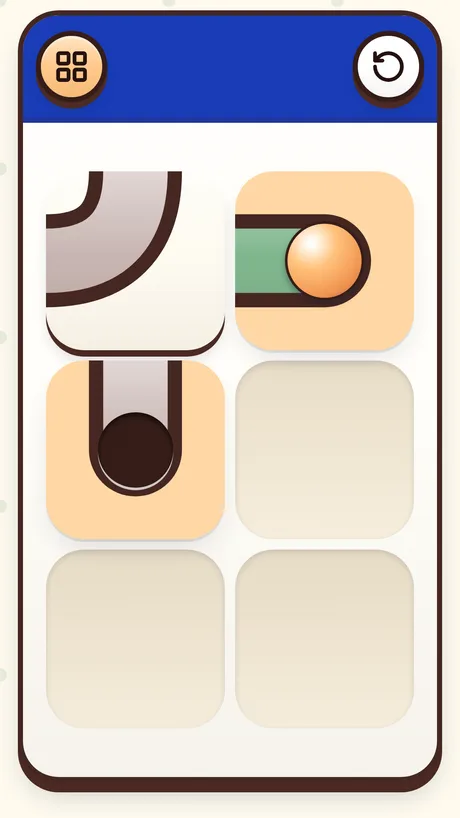
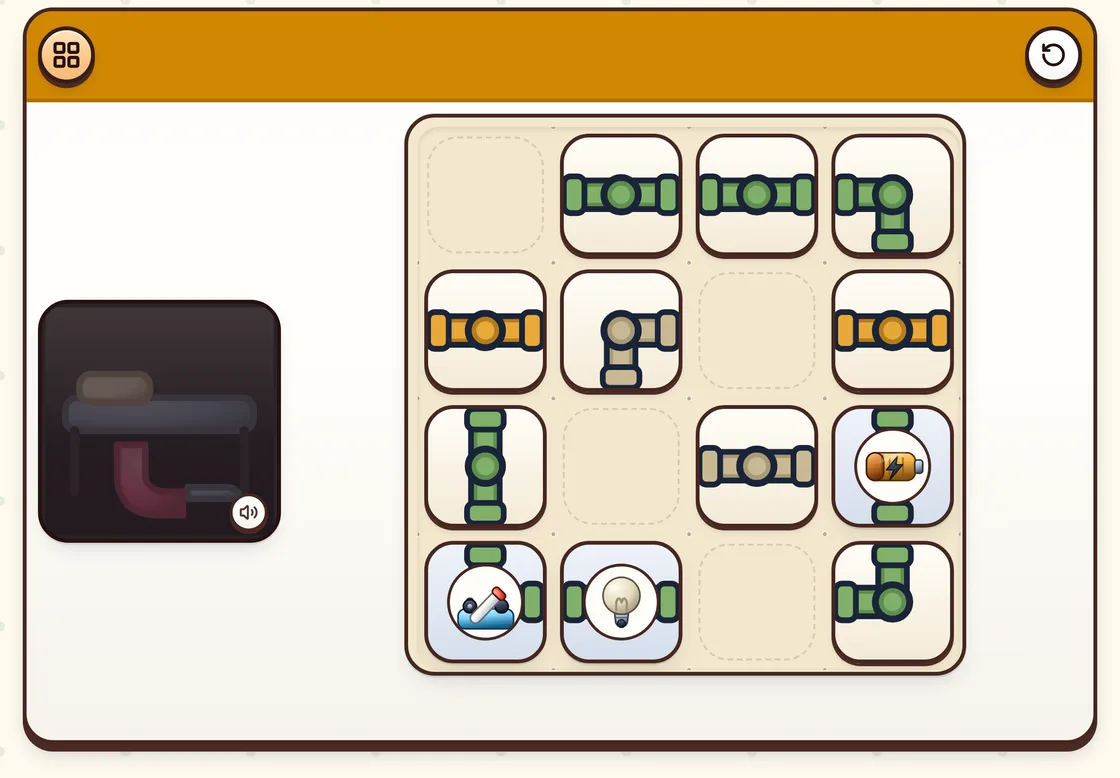
Turn the pipe tiles until the marble can roll all the way down. Wire a lamp to a battery and watch it really light up, because a circuit is a loop and the loop is the whole idea. Play a tune back on five coloured keys, one phrase at a time, until the whole of Ode to Joy comes out under their own fingers.
Every one of them ends with something happening: the marble rolls, the lamp lights, the empty year floods with colour. That is the difference between a game and a worksheet.
New ones arrive as your child grows
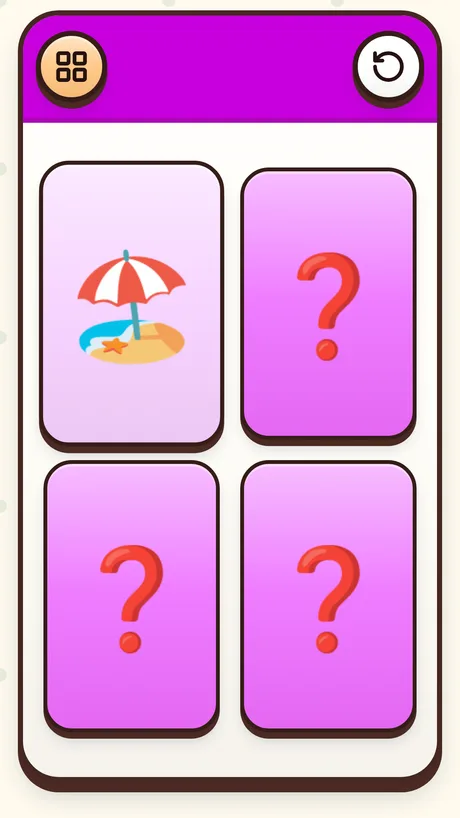
Your child only ever sees the games they are ready for. At two that is colours and shapes, matching pairs, a shape sorter, jigsaws, hunting for things in a picture, and working out which of two things is bigger: half a dozen they can do today, rather than a wall of things they cannot.
Feelings to name and rhythms to clap back arrive at two and a half. Counting, tracing shapes with a finger and a little piano at three. The marble run and the circuit board turn up at three and a half, everyday riddles and written numbers at four, letters and their sounds at five, and first sums at six. Nothing is ever taken away again.
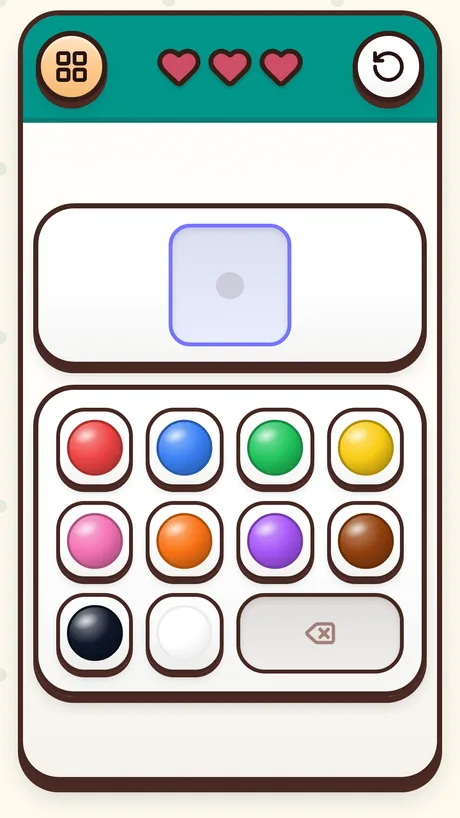
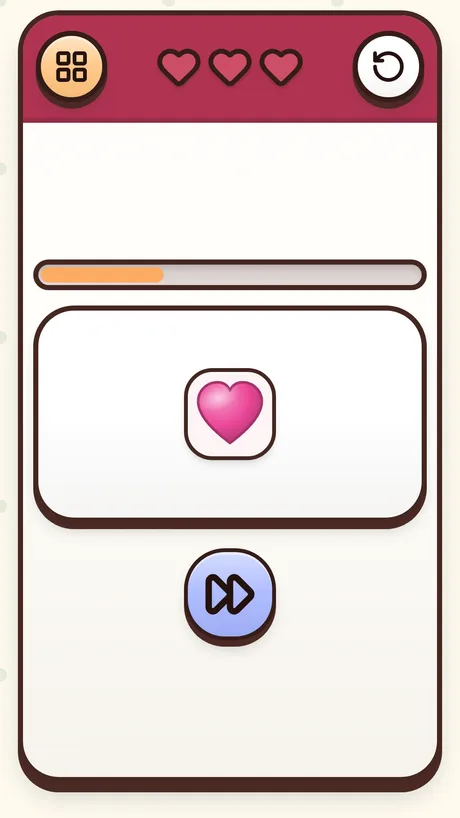
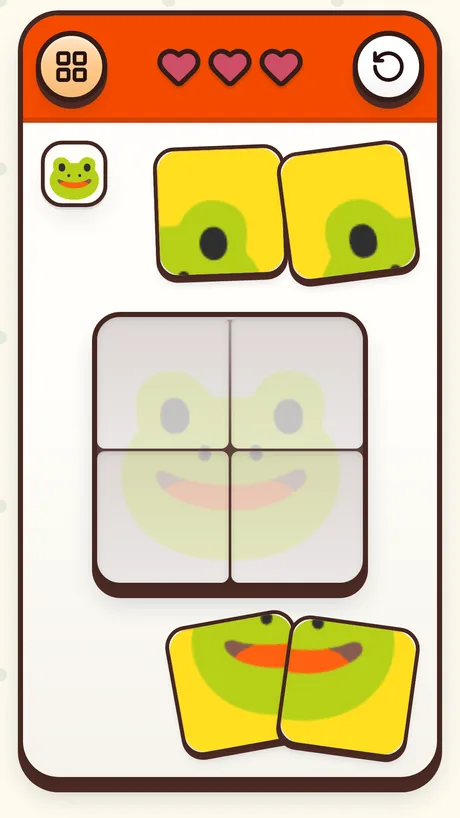
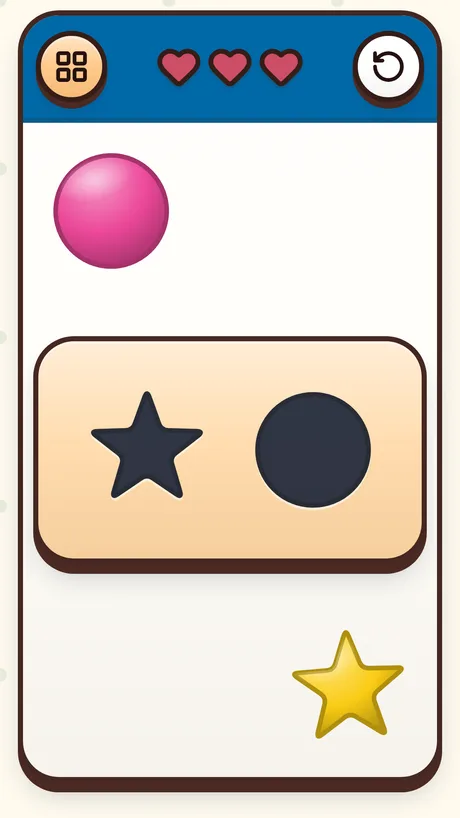
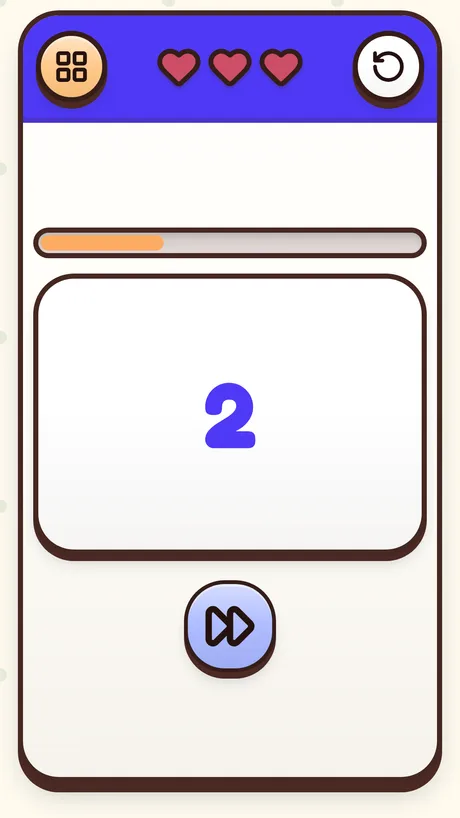
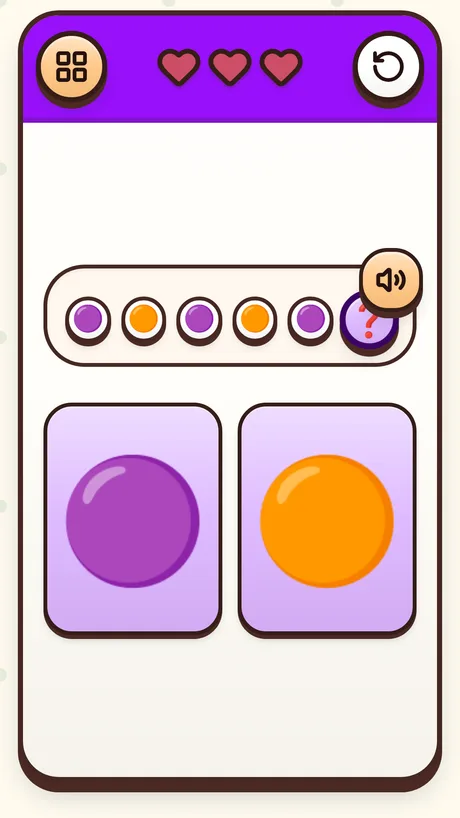
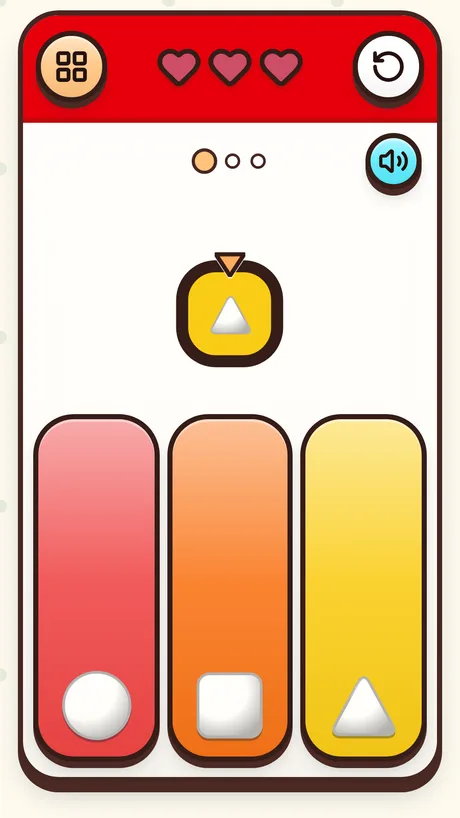
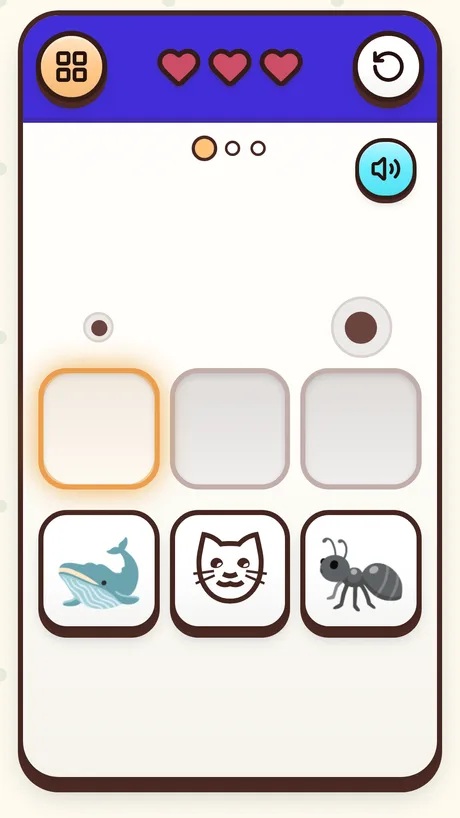
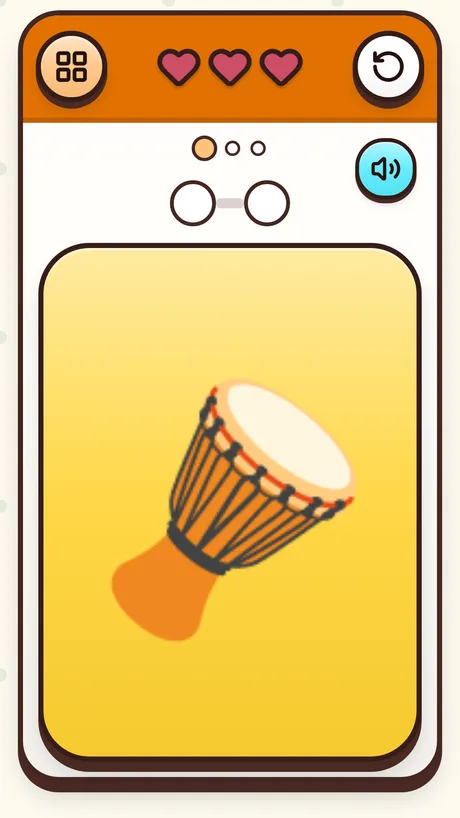
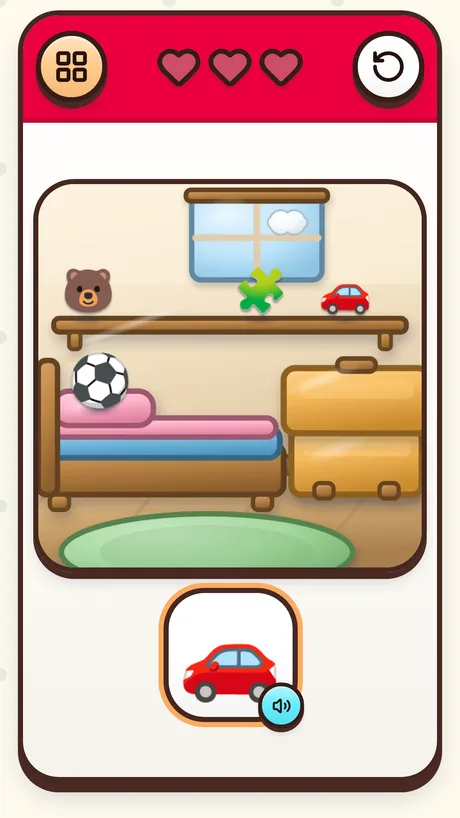
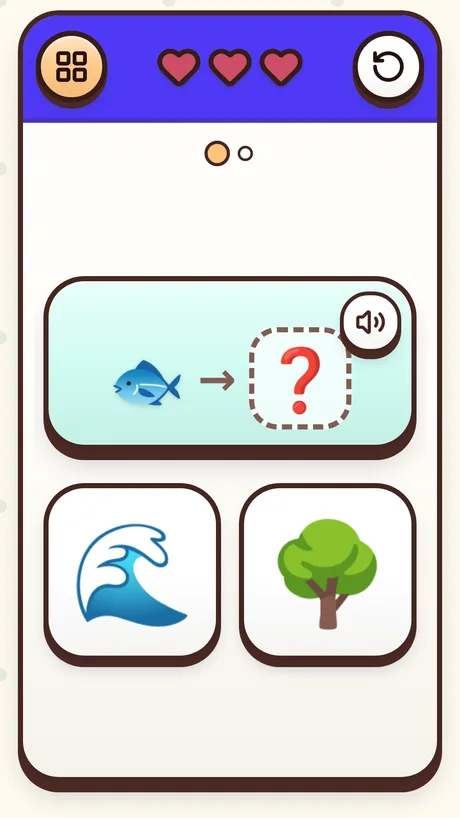
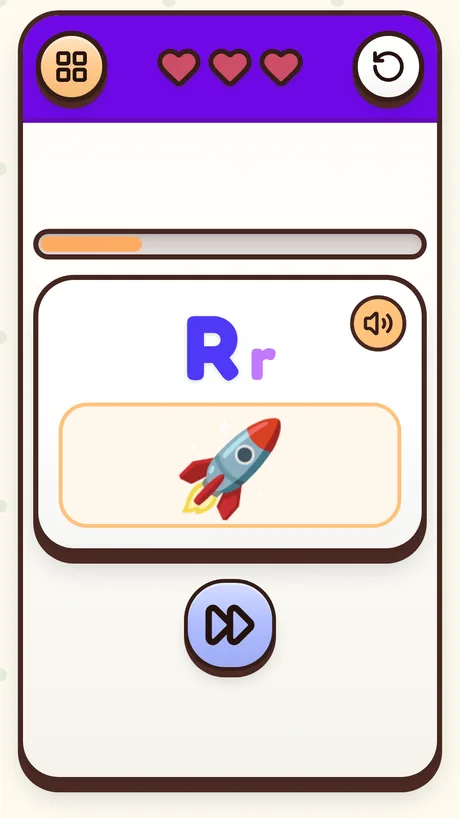
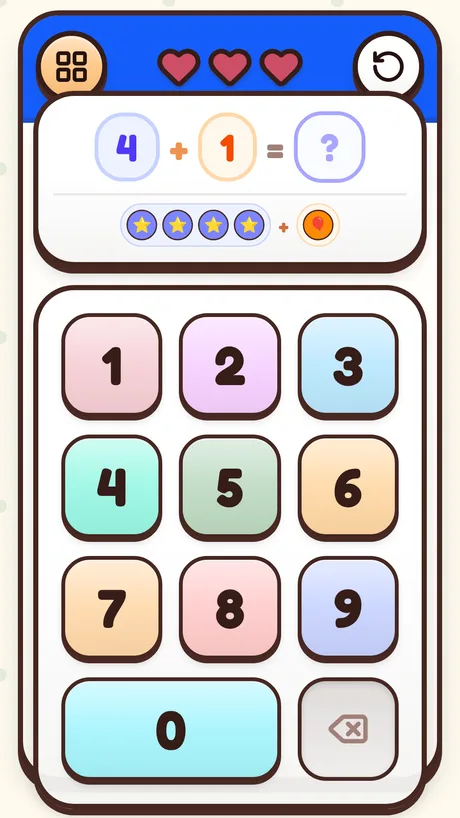
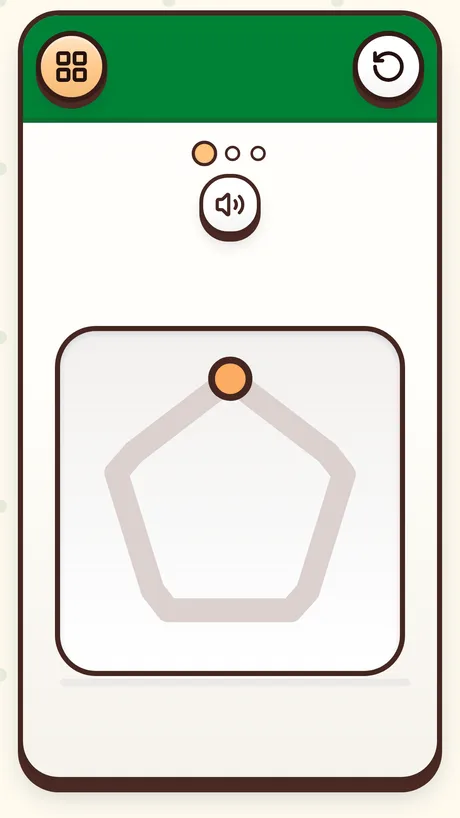
ColorsShapesMemory MatchPuzzlesShape SorterHow Many?NumbersPatternsMarble RunLittle PianoCircuitsMore or LessClap AlongFind ItEveryday RiddlesABC & PhonicsFirst SumsTracingFeelings
Press one to look inside · Twenty-four levels in every game, and three stars to earn on each one.
It starts earlier than counting
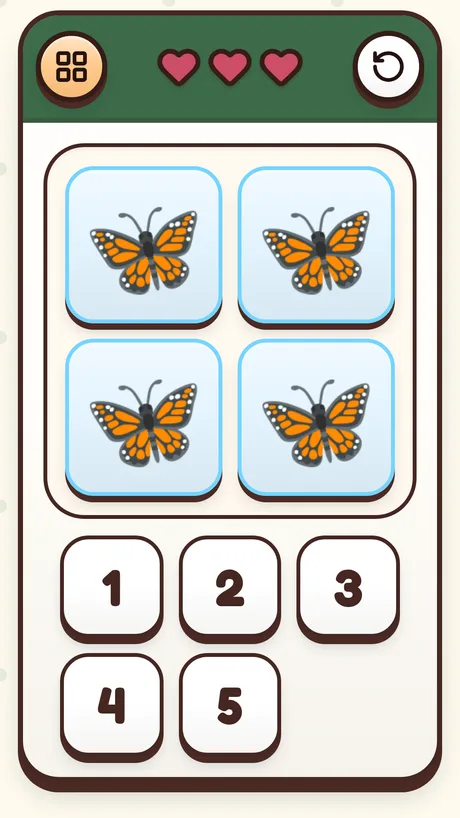
Ask a two year old how many biscuits are on the plate and you will not get an answer. Ask which plate has more and you will. Comparison comes first, long before number does, and it is the thing that later gives counting a reason to exist. So the games are laid out the way a child actually arrives at these ideas.
- More or less, before counting
- Counting, before adding up
- A rhythm you can clap, before a tune you can play
- A line you can draw with a finger, before a letter you can name
Nomi helps at your child's pace
Twelve seconds of silence is a long time for a stuck two year old and no time at all for a five year old who is thinking. So the wait is set by age: a nudge after six seconds at the younger end, twenty-six at the older, and the answer itself if the nudge was not enough.
Nomi spots the other kind of stuck too: the child who is busy and getting nowhere, turning the same two cards over and over quite happily. What they hear first is how the game works, never the answer.
The grown-up settings sit behind a gate
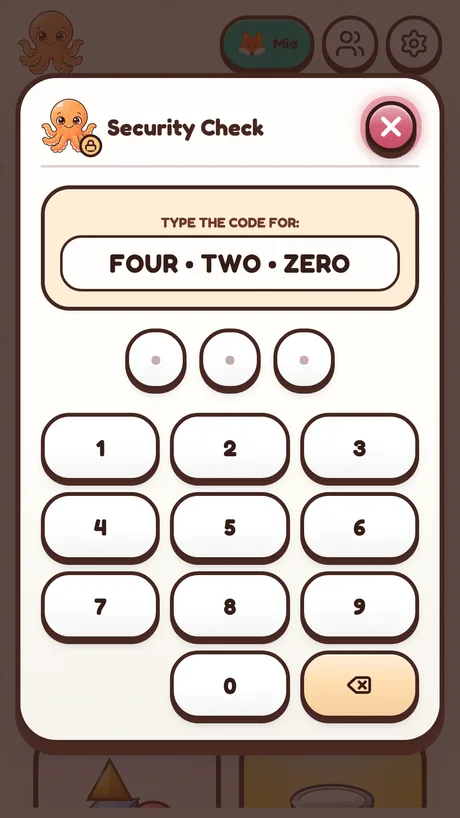
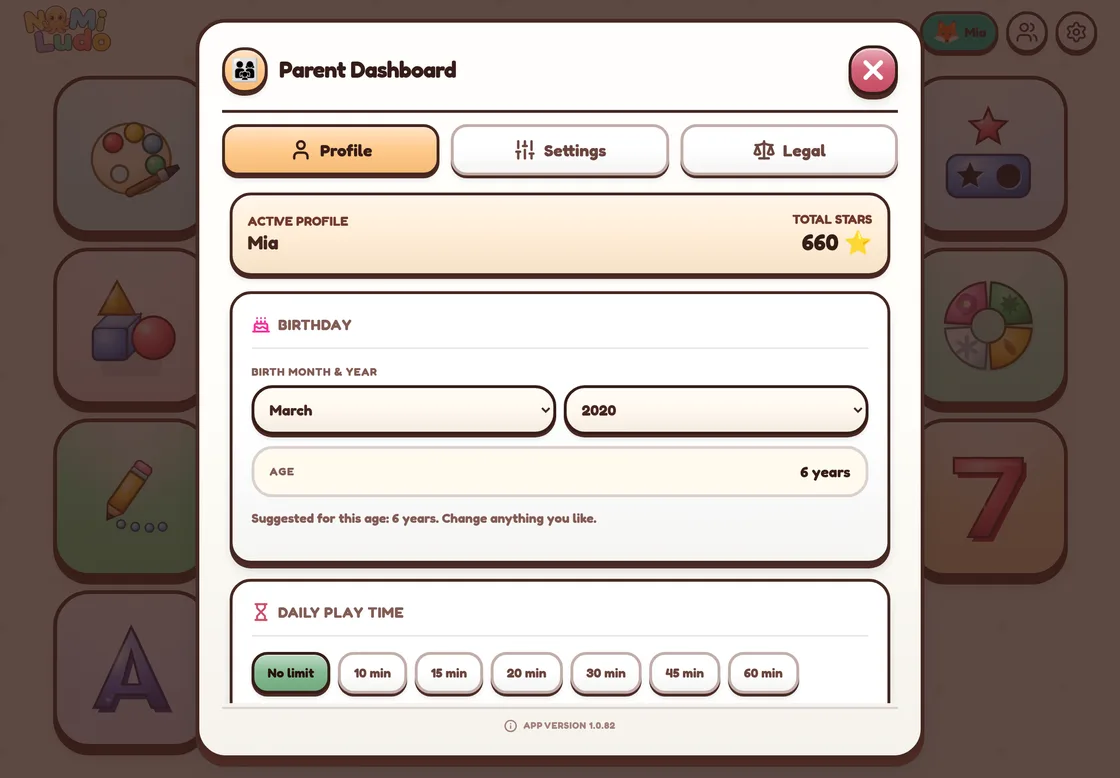
Three numbers written out as words and a keypad to type them on: a couple of seconds for you, a closed door to a four year old. Behind it you set how long a day's play lasts, switch individual games on or off, choose the language NoMiLudo speaks, and decide whether the microphone is used at all. The limit counts across the whole day, so closing the app and opening it again does not buy more of it.
You can also give your child a second language. NoMiLudo then speaks each round in one of the two: how a child in a bilingual house hears both from one game, and how a child in any other house meets a second language at all.
The dashboard also tells you something you cannot see from the sofa: which games your child is finding hard. A run of one-star levels is a child being carried through a game rather than learning it, so NoMiLudo can name the two worth practising together.
What happens on the tablet stays on the tablet
NoMiLudo needs no account and no internet connection, and everything your child does is saved on the device itself. Anything that ever leaves it is something a grown-up switched on first.
Nothing is measuring your child
There is no advertising and no analytics anywhere in the app, and no third-party code counting what your child taps or how long they stay. What the parent dashboard shows you is read from the device in front of you.
The microphone is yours to switch on
One game can listen, so a child can say the answer out loud instead of tapping it. It is off until a grown-up turns it on from behind the gate, and what it hears is judged on the device as it happens and kept nowhere afterwards.
Syncing is a decision, not a default
Sign in with Google from behind the gate and your children's profiles and progress follow you to your other devices. Leave it alone and they stay on the one tablet. Either way the game plays exactly the same.
Four games are free, start to finish
Every other game gives you its first six levels, which is enough to know whether your child takes to it.
€6.99
opens everything else, for good
One payment, no subscription, and nothing else to buy ever after. The purchase screen sits behind the parental gate.
On a phone or a tablet
The whole game, offline, with every mode and all twenty-four levels of each.
Prefer to look first? Play the demo in your browser
Follow it to the finish
NoMiLudo is planned for the end of 2026. Leave an address and we will write when there is something worth telling you: how it is coming along, what has just been built, and the day it reaches the stores. Never often, and one click leaves again.
You will get one mail asking you to confirm the address, and nothing at all until you answer it. What happens to this address